
Core Capabilities and Boundaries
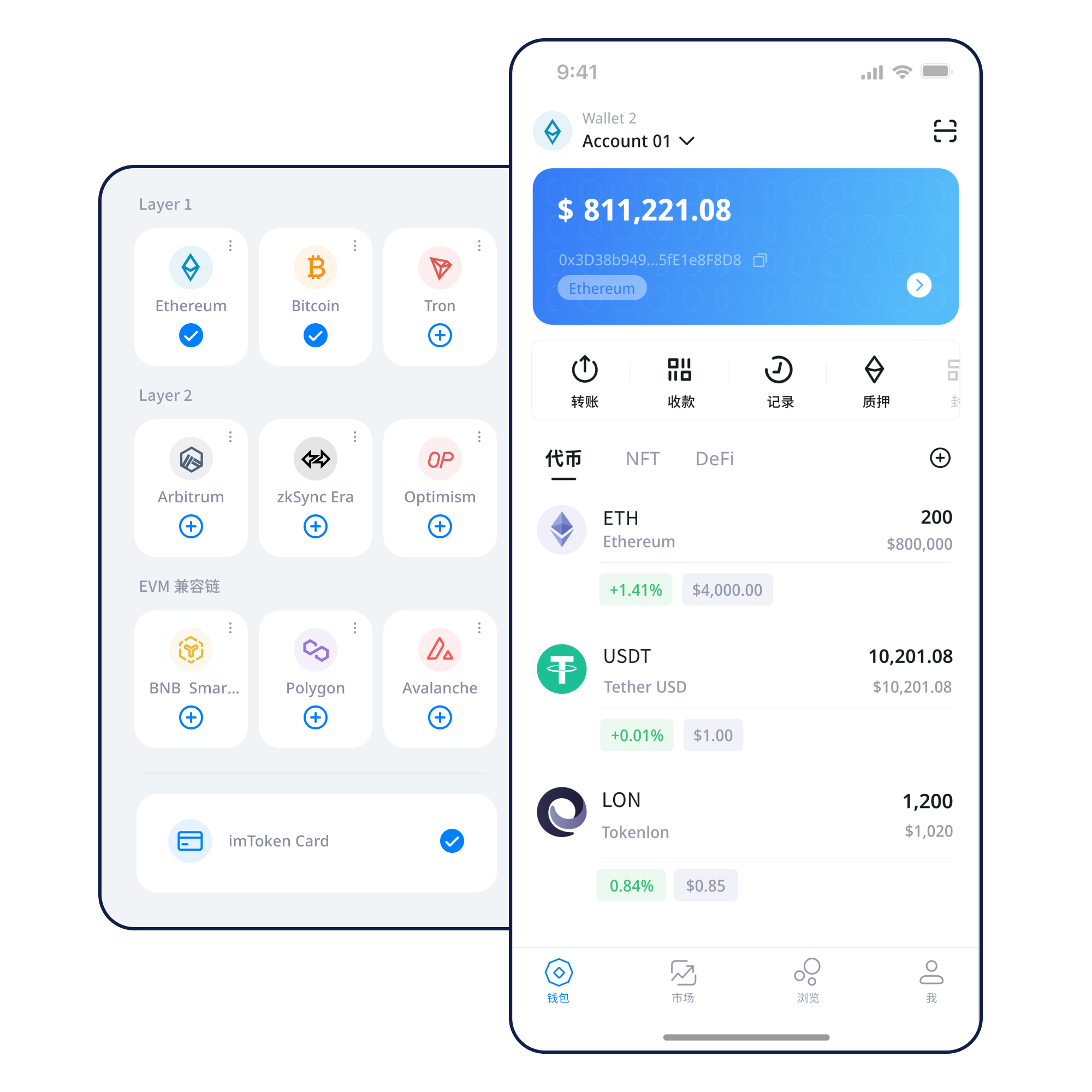
A multi-chain view only becomes useful when the network context is clear. Balance, address, token contract and transaction history should always be read together. The practical way to understand Wallet & Assets Overview is to place it inside a real user journey rather than memorize isolated terms. 多链资产的查看、接收、发送与记录管理 should be checked before an action, during confirmation and again after completion. Verify the entry point and network first, read addresses, permissions, fees and request details at confirmation, then use on-chain records to validate the outcome.
Many mistakes around Wallet & Assets Overview begin with information that looks familiar: similar network names, address formats, token symbols or interface layouts. Prefer details that can be independently checked, such as the full domain, network name, contract address, transaction hash and a matching block-explorer record, instead of relying on icons, nicknames or screenshots. For Wallet & Assets Overview, break the task into small points that can be verified rather than continuing while the network, address, permission or transaction state is still unclear.
Pre-action check
Confirm that the page and network match the task, then review public addresses, assets, fees or permission details. A familiar interface is not a reason to skip the request details of a third-party DApp or smart contract.
Practical Use Cases
When receiving, confirm which network the sender will use before sharing an address. When sending, review the destination, network, amount and fee as one decision. Many mistakes around Wallet & Assets Overview begin with information that looks familiar: similar network names, address formats, token symbols or interface layouts. Prefer details that can be independently checked, such as the full domain, network name, contract address, transaction hash and a matching block-explorer record, instead of relying on icons, nicknames or screenshots.
imtoken treats user review as the final decision point for Wallet & Assets Overview. This site never asks for seed phrases, private keys or verification codes, and it does not promise that confirmed on-chain transactions can be reversed by the wallet. DApps, smart contracts, networks and third-party services each introduce their own risk boundaries. For Wallet & Assets Overview, break the task into small points that can be verified rather than continuing while the network, address, permission or transaction state is still unclear.
Confirmation check
Confirm that the page and network match the task, then review public addresses, assets, fees or permission details. A familiar interface is not a reason to skip the request details of a third-party DApp or smart contract.
Recommended Workflow
Transaction hashes provide a durable way to trace activity on-chain, while token display may still depend on contract recognition and network indexing. imtoken treats user review as the final decision point for Wallet & Assets Overview. This site never asks for seed phrases, private keys or verification codes, and it does not promise that confirmed on-chain transactions can be reversed by the wallet. DApps, smart contracts, networks and third-party services each introduce their own risk boundaries.
If the result differs from what you expected, preserve non-secret details such as the transaction hash, network and public address, then begin troubleshooting from on-chain state. Never send recovery information to someone claiming to provide support, and do not sign an unfamiliar request simply because it is presented as a fix. For Wallet & Assets Overview, break the task into small points that can be verified rather than continuing while the network, address, permission or transaction state is still unclear.
Post-action check
Confirm that the page and network match the task, then review public addresses, assets, fees or permission details. A familiar interface is not a reason to skip the request details of a third-party DApp or smart contract.
Security Principles
A multi-chain view only becomes useful when the network context is clear. Balance, address, token contract and transaction history should always be read together. If the result differs from what you expected, preserve non-secret details such as the transaction hash, network and public address, then begin troubleshooting from on-chain state. Never send recovery information to someone claiming to provide support, and do not sign an unfamiliar request simply because it is presented as a fix.
The practical way to understand Wallet & Assets Overview is to place it inside a real user journey rather than memorize isolated terms. 多链资产的查看、接收、发送与记录管理 should be checked before an action, during confirmation and again after completion. Verify the entry point and network first, read addresses, permissions, fees and request details at confirmation, then use on-chain records to validate the outcome. For Wallet & Assets Overview, break the task into small points that can be verified rather than continuing while the network, address, permission or transaction state is still unclear.
Pre-action check
Confirm that the page and network match the task, then review public addresses, assets, fees or permission details. A familiar interface is not a reason to skip the request details of a third-party DApp or smart contract.
Related Learning
When receiving, confirm which network the sender will use before sharing an address. When sending, review the destination, network, amount and fee as one decision. The practical way to understand Wallet & Assets Overview is to place it inside a real user journey rather than memorize isolated terms. 多链资产的查看、接收、发送与记录管理 should be checked before an action, during confirmation and again after completion. Verify the entry point and network first, read addresses, permissions, fees and request details at confirmation, then use on-chain records to validate the outcome.
Many mistakes around Wallet & Assets Overview begin with information that looks familiar: similar network names, address formats, token symbols or interface layouts. Prefer details that can be independently checked, such as the full domain, network name, contract address, transaction hash and a matching block-explorer record, instead of relying on icons, nicknames or screenshots. For Wallet & Assets Overview, break the task into small points that can be verified rather than continuing while the network, address, permission or transaction state is still unclear.
Confirmation check
Confirm that the page and network match the task, then review public addresses, assets, fees or permission details. A familiar interface is not a reason to skip the request details of a third-party DApp or smart contract.
You are responsible for keeping seed phrases and private keys private. imtoken personnel will never ask for them. Verify address, network and amount before sending; confirmed on-chain transactions generally cannot be reversed by the wallet.